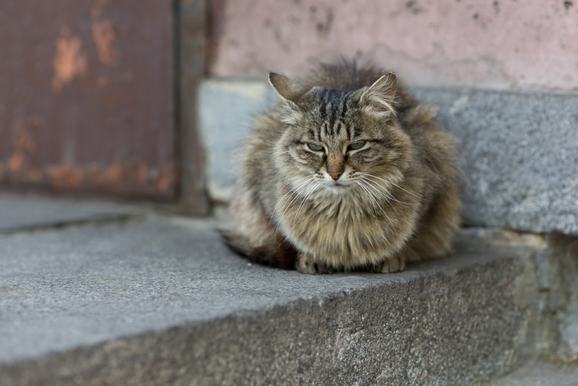
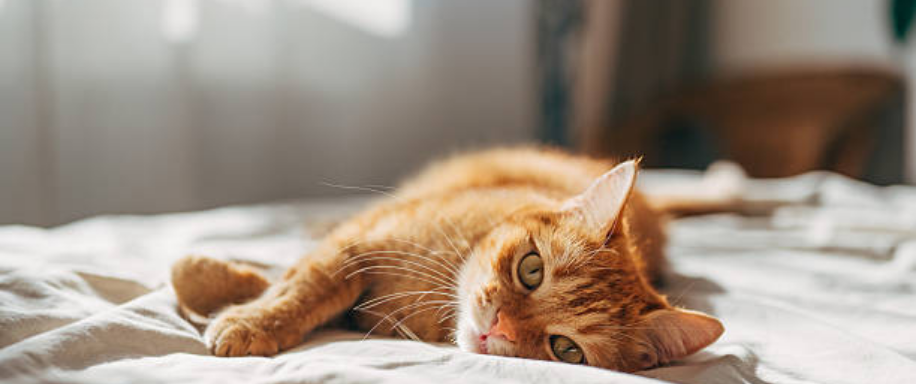
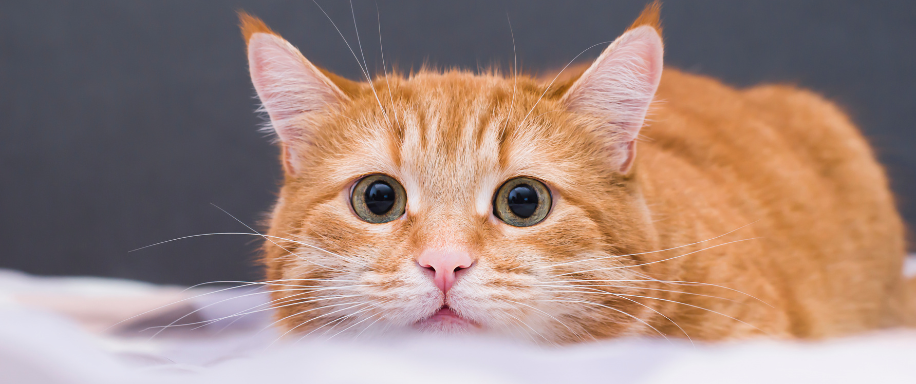
Ryc. 1, 3, 4a, c, d, 5, 7 – Autorka, ryc. 2 – Hans Blancke, ryc. 4b – Vicky Halls, ryc. 6 – Wood Green Animal Shelters
PIŚMIENNICTWO
1. Chamove A.S.: Environmental enrichment: a review. Anim Technol 1989, 40, 155-78. – 2. Newberry R.C.: Environmental enrichment: increasing the biological relevance of captive environments. Appl Anim Behav Sci 1995, 44, 229-43. – 3. Shepherdson D.J.: Tracing the path of environmental enrichment in zoos. W: Shepherdson D.J., Mellen J.D., Hutchins M., eds. Second nature: environmental enrichment for captive animals. Washington DC: Smithsonian Institution Press, 1998, 1-12. – 4. Young R.: Environmental enrichment for captive animals. Universities Federation for Animal Welfare (UFAW) Series, Oxford: Blackwell Publishing, 2003. – 5. Smith A.L, Corrow D.J.: Modifications to husbandry and housing conditions of laboratory rodents for improved well-being. ILAR J 2005, 46, 140-47. – 6. Shepherdson D.J., Bemment N., Carman N., Reynolds S.: Auditory enrichment for Lar gibbons Hylobates lar at London Zoo. International Zoo Yearbook, 1989, 28, 256-60. – 7. Chamove A.S., Moodie E.M.: Are alarming events good for captive monkeys? Appl Anim Behav Sci 1990, 27, 169-76. – 8. Bradshaw J.W.S.: The behaviour of the domestic cat. Wallington: CAB International, 1992. – 9. Crowell-Davis S.L., Curtis T.M., Knowles R.J.: Social organization in the cat: a modern understanding. J Feline Med Surg 2004, 6, 19-28. – 10. Casey R.: Welfare of shelter cats: measurement and enhancement. Proceedings of the BSAVA Congress; 2005 April 6-10, 256-57.
11 Bradshaw J.W.S., Hall S.L.: Affiliative behaviour of related and unrelated pairs of cats in catteries: a preliminary report. Appl Anim Behav Sci 1999, 63, 251-55. – 12. Curtis T.M.: Effect of familiarity and relatedness on proximity and allogrooming in the domestic cat. Scientific proceedings of the BSAVA congress: nursing programme, 2008, April 3-6, 249-50. – 13. McCune S.: Caged cats: avoiding problems and providing solutions. Newsletter of the Companion Animal Behaviour Therapy Study Group, 1994, 7, 33-40. – 14. Levine E., Perry P., Scarlett J., Houpt K.A.: Intercat aggression in households following the introduction of a new cat. Appl Anim Behav Sci 2005, 90, 325-36. – 15. Lindell E.M., Erb H.N., Houpt K.A.: Intercat aggression: a retrospective study examining types of aggression, sexes of fighting pairs, and effectiveness of treatment. Appl Anim Behav Sci 1995, 55, 153-62. – 16. Friend T.H.: Symposium: Response of animals to stress. J Dairy Sci 1991, 74, 292-303. – 17. Holmes R.J.: Environmental enrichment for confined dogs and cats. The TG Hungerford refresher course for veterinarians. Proceedings from the Postgraduate Committee in Veterinary Science, University of Sydney, Australia, 1993, 214, 191-97. – 18. Loveridge G.G.: Provision of environmentally enriched housing for cats. Anim Technol 1994, 45, 69-87. – 19. Loveridge G.G., Horrocks L.J., Hawthorne A.J.: Environmentally enriched housing for cats when housed singly. Anim Welf 1995, 4, 135-41. – 20. Rochlitz I.: Recommendations for the housing and care of domestic cats in laboratories. Lab Anim 2000, 34, 1-9.
21. DeLuca A.M., Kranda K.C.: Environmental enrichment. Lab Anim 1992, 21, 38-44. – 22. Casey R.A.C., Bradshaw J.W.S.: The effects of additional socialisation for kittens in a rescue centre on their behaviour and suitability as a pet. Appl Anim Behav Sci 2008, 114, 196-205. – 23. Soennichsen S., Chamove A.S.: Responses of cats to petting by humans. Anthrozoos 2002, 15, 258-65. – 24. Gourkow N., Fraser D.: The effect of housing and handling practices on the welfare, behaviour and selection of domestic cats (Felis sylvestris catus) by adopters in an animal shelter. Anim Welf 2006, 15, 371-77. – 25. Kessler M.R., Turner D.C.: Stress and adaptation of cats (Felis silvestris catus) housed singly, in pairs and in groups in boarding catteries. Anim Welf 1997, 6, 243-54. – 26. Feuerstein N., Terkel J.: Interrelationships of dogs (Canis familiaris) and cats (Felis catus L.) living under the same roof. Appl Anim Behav Sci 2008, 113, 150-65. – 27. De Monte M., Le Pape G.: Behavioural effects of cage enrichment in single-caged adult cats. Anim Welf 1997, 6, 53-66. – 28. Hall S.L., Bradshaw J.W.S., Robinson I.H.: Object play in adult domestic cats: the roles of habituation and disinhibition. Appl Anim Behav Sci 2002, 79, 263-71. – 29. Denenberg S.: Cat toy play trial: A comparison of different toys. Proceedings of the Annual Scientific Symposium of Animal Behaviour, American Veterinary Society of Animal Behaviour; 2003 July 20-21, Denver, Colorado. – 30. Case L.P.: The cat: its nutrition and health. Iowa: Iowa State Press, 2003.
31. McCune S.: Enriching the environment of the laboratory cat – a review. Proceedings of the 2nd International Conference on Environmental Enrichment, 1995 Aug 21-25, Copenhagen, 103-117. – 32. Hall S.L., Bradshaw J.W.S.: The influence of hunger on object play by adult domestic cats. Appl Anim Behav Sci 1998, 58, 143-50. – 33. McCune S.: The impact of paternity and early socialisation on the development of cats’ behaviour to people and novel objects. Appl Anim Behav Sci 1995, 45, 109-24. – 34. Powell D.M.: Preliminary evaluation of environmental enrichment techniques for African lions (Panthera leo). Anim Welf 1995, 4, 361-70. – 35. Overall K.L., Dyer D.: Enrichment strategies for laboratory animals from the viewpoint of clinical veterinary behavioural medicine: emphasis on cats and dogs. ILAR J 2005, 46, 202-16. – 36. Clarke D.L., Wrigglesworth D., Holmes K., Hackett R., Michel K.: Using environmental and feeding enrichment to facilitate feline weight loss. J Anim Physiol Anim Nutr 2005, 89, 427. – 37. Hawthorne A.J., Loveridge G.G., Horrocks L.J.: The behaviour of domestic cats in response to a variety of surface-textures. Proceedings of the 2nd International Conference of Environmental Enrichment, 1995 Aug 21-25, Copenhagen, 84-94. – 38. O’Farrell V., Neville P.: BSAVA manual of feline behaviour. Cheltenham, UK: British Small Animal Veterinary Association, 1994. – 39. Gourkow N.: The emotional life of cats: a manual for improving the psychological well-being of shelter cats. British Columbia Society for the Prevention of Cruelty to Animals, Canada, 2003. – 40. Hawkins K.R.: Stress, enrichment and welfare of domestic cats in rescue shelters. PhD Thesis, University of Bristol, UK, 2005.
41. Rochlitz I.: Recommendations for the housing of cats in the home, in catteries and animal shelters, in laboratories and in veterinary surgeries. J Feline Med Surg 1999, 1, 181-91. – 42. Ellis S.L.H., Wells D.L.: The influence of visual stimulation on the behaviour of cats housed in a rescue shelter. Appl Anim Behav Sci 2008, 113, 166-74. – 43. Shyan-Norwalt M.R.: Caregiver perceptions of what indoor cats do ‘for fun’. J Appl Anim Welf Sci 2005, 8, 199-209. – 44. Ellis S.L.H.: Sensory enrichment for cats (Felis silvestris catus) housed in an animal rescue shelter. PhD Thesis, Queen’s University Belfast, UK, 2007. – 45. Hart B.L.: Feline behaviour: olfaction and feline behaviour. Feline Practice 1977, 7, 8-10. – 46. Wells D.L., Graham L., Hepper P.G.: The influence of auditory stimulation on the behaviour of dogs housed in a rescue shelter. Anim Welf 2002, 11, 385-93. – 47. van de Weerd H.A., Baumans V.: Environmental enrichment in rodents. W: Smith C.P., Taylor V., eds.: Environmental enrichment information resources for laboratory animals: 1965-1995: Birds, cats, dogs, farm animals, ferrets, rabbits and rodents. AWIC Resource Series, 2, Department of Agriculture, Beltsville, MD and Universities Federation of Animal Welfare, Herts, UK, 1995, 145-212. – 48. Wells D.L., Coleman D., Challis M.G.: A note on the effect of auditory stimulation on the behaviour and welfare of zoohoused gorillas. Appl Anim Behav Sci 2006, 100, 327-32. – 49. Mills D.: Pheromonatherapy: theory and applications. In Pract 2005, 27, 368-73. – 50. Pageat P., Gaultier E.: Current research in canine and feline pheromones. Vet Clin North Am Small Anim Pract 2003, 33, 187-211.
51. Rheingold H.L., Eckerman C.O.: Familiar social and non-social stimuli and the kitten’s response to a strange environment. Dev Psychobiol 1971, 4, 71-89. – 52. McCune S.: Temperament and the welfare of caged cats. PhD Thesis, University of Cambridge, Cambridge, UK, 1992. – 53. Bowen J., Heath S.: Behaviour problems in small animals: practical advice for the veterinary team. Elsevier Saunders, 2005. – 54. Buffington C.A.T., Westropp J.L., Chew D.J., Bolus R.R.: Risk factors associated with clinical signs of lower urinary tract disease in indoor-housed cats. J Am Vet Med Assoc 2006, 228, 722-25. – 55. Cameron M.E., Casey R.A., Bradshaw J.W.S., Waran N.K., Gunn-Moore D.A.: A study of environmental and behavioural factors that may be associated with feline idiopathic cystitis. J Small Anim Pract 2004, 45, 144-47.